COP31 marks the beginning of a new era in global climate governance. This is because countries will participate in this summit with their new Nationally Determined Contributions (NDC 3.0) for the year 2035. Updated every five years under the Paris Agreement, these targets will reveal how far the world has drifted from—or how close it has come to—the goal of limiting global temperature rise to 1.5°C.
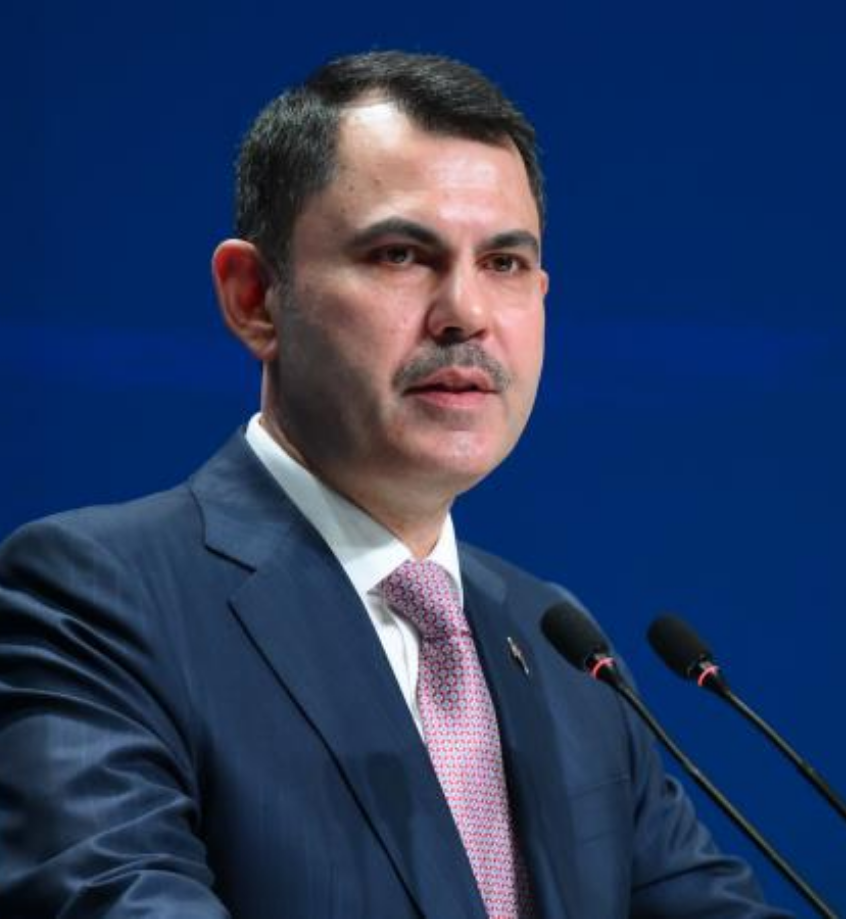
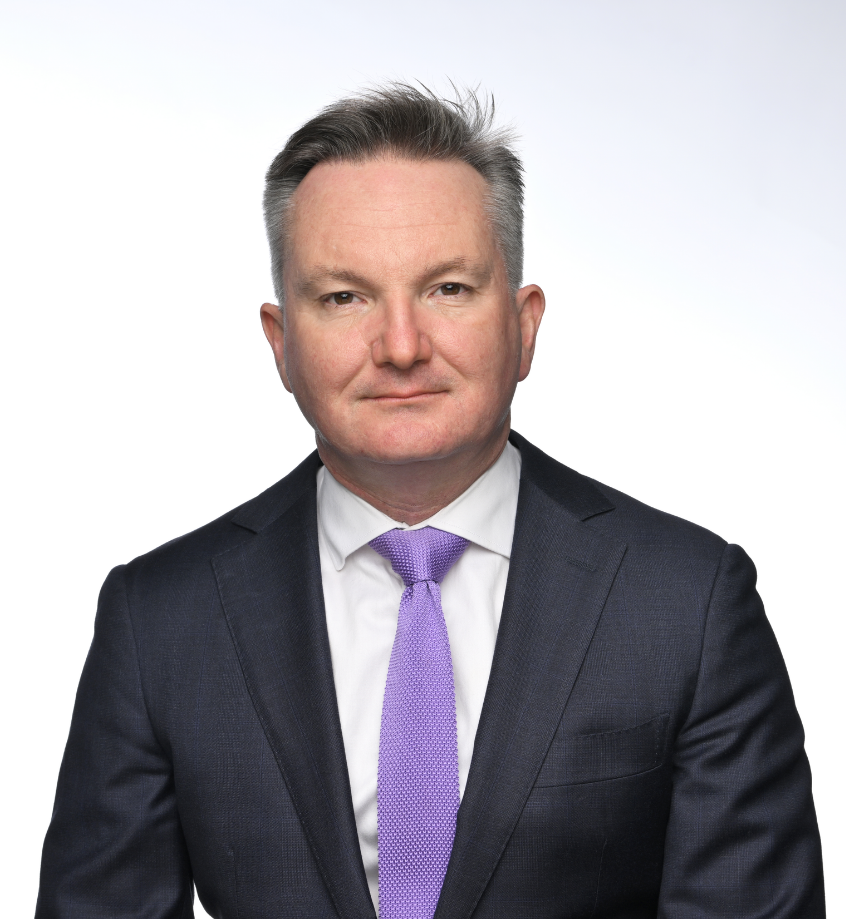
Murat Kurum, Turkey’s Minister of Environment, Urbanization, and Climate Change, will chair the summit on behalf of Turkey, while Chris Bowen, Australia’s Minister for Climate and Energy, will play a key role in leading the negotiations. The joint hosting model developed between Turkey and Australia is regarded as a rare example of cooperation in recent years within the COP process. The primary aim of this model is to create a more inclusive and results-oriented negotiating environment by bridging the increasingly deepening divides between developed and developing countries.
New emissions reduction targets are among the most important issues on the COP31 agenda. Scientific studies show that, under current policies, the world is on track for a temperature increase of approximately 2.5–2.7°C by the end of the century. Therefore, the ambition level of countries’ 2035 targets will be a key factor in determining the summit’s success. The new commitments made by major economies and high-emitting countries, in particular, will be closely monitored.
Another critical issue will be the process of phasing out fossil fuels. Following the adoption of the term “transition away from fossil fuels”—which was accepted for the first time at COP28 in Dubai—COP31 will address in detail how this decision will be implemented and the concrete roadmaps for countries’ energy transitions. The implementation mechanisms for global targets—such as tripling renewable energy capacity and doubling energy efficiency by 2030—will also be among the key topics of the negotiations.
The issue of climate finance is poised to be one of the most challenging areas of the talks in Antalya. Developing countries, in particular, are calling for more funding to combat the effects of climate change. New commitments are expected to be put on the agenda regarding adaptation investments, the effective management of the loss and damage fund, and the financing of the clean energy transition.
One of the notable developments in the run-up to COP31 has been the leaders’ meetings to be held in the Pacific. A high-level preparatory meeting will be held in Fiji ahead of the summit, and a special leaders’ event will take place in Tuvalu, one of the countries most affected by climate change. The selection of Tuvalu—which faces an existential threat due to rising sea levels—aims to draw attention to the impact of the climate crisis, particularly on small island nations.
Leaders from around the world are coming together not only to address today’s challenges but also to make decisions that will shape the world of tomorrow. This platform, where bold steps, innovative ideas, and global collaborations come together to tackle the climate crisis, is laying the foundation for a more sustainable and resilient future.
The climate crisis is not merely an environmental issue; it is a global problem with economic and social dimensions. The COP is one of the most important mechanisms enabling collective action against this multifaceted crisis. The decisions made there have a wide-ranging impact, from energy policies to urban planning, and from agriculture to industry. For this reason, the COP is recognized as one of the most powerful drivers of sustainable transformation worldwide.
COP summits aim to establish a common roadmap on a global scale to combat climate change. They encourage countries to strengthen their emission reduction targets, develop sustainable policies, and build systems that are more resilient to the climate crisis. At the same time, they lay the foundation for a more equitable and sustainable future by enhancing international cooperation.
Targets are set to reduce carbon emissions in order to limit global temperature rise.
Ülkeler, kurumlar ve paydaşlar arasında ortak çözümler geliştirilir.
Financial support and investment mechanisms are established for developing countries.
Policies that take into account environmental, economic, and social balances are encouraged.